If overeating is an occasional indulgence, it is not dangerous, but if it is a habit, then beware! Eating a large quantity of food as one meal results in problems such as heaviness, bloating, gas & stomach cramps. Mindless eating leads to digestive disorders, blood pressure, heart problems, obesity, diabetes and even depression; and a lot of corrections would need to be done to bring back balance to the energies within the body.
Ayurveda recommends that one treats the act of eating as a precious ritual which should be done almost as a pious act. To enable this, Ayurveda has laid down specific principles to maximise the physical, mental, social, and spiritual benefits, wherein the individual is satisfied and contented too.
The first step is to be mentally present when having your meal. Ideally, one should eat alone to enjoy the real purpose of that meal. Something we all need to be aware of, and respect is that one should ‘eat to survive and not survive to eat’. One should also have a clear understanding of one’s capacity and requirements for the day. Meal planning is an important aspect to factor in, as one should start the day with a breakfast that initiates your daily activities and not hampers it. Likewise, a good early afternoon meal to satiate midday cravings and an early and light dinner is recommended. Eating at the right time is important and must be implemented as a habit. This would assist the digestive system to better handle an occasional binging session.
Once the suggested methods become habits, you will never binge eat or get cravings again.
Till then, if you have overeaten and are feeling discomfort, Ayurveda suggests the following:
- Have sips of hot water after an hour.
- Walk around on a flat area for 15-20 minutes after that.
- Chew a pinch of jeera and rock salt or jaggery to settle any abdominal discomfort.
- If you are wearing tight clothes, loosen up to ease your body.
- Move to an open space with more oxygen, rest in a chair, and focus on your breathing.
- If you have nausea or vomit, do not panic, rest on the left lateral side and try to sleep.
- Skip the next meal or wait till you have passed motions (in the case of indigestion).
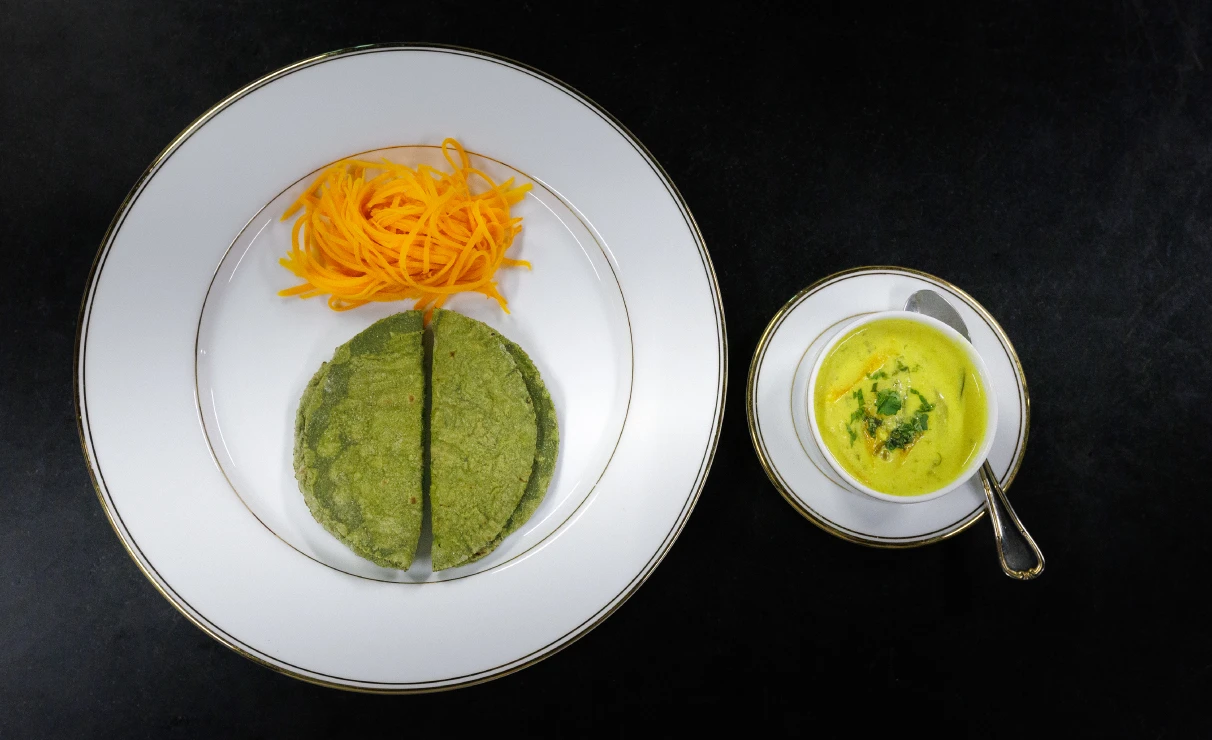
- Consume rice gruels or moong dal soup with 1-2 small pieces of ginger and a pinch of rock salt.
- Have your next meal only when you feel light and hungry again.
- Rest properly, if you are feeling stressed.
- Make a note of the food you ate which triggered the discomfort and avoid it.
Like everything in life, it’s important to strike a balance and not indulge in extremes. Ayurveda will help you achieve this balance in body, min, and spirit.